
Takanawa Gateway City extends in front of a wide wooden deck outside the ticket gates of Takanawa Gateway Station, which was the first new station on the JR Yamanote Line for 49 years when it opened in 2020.
Amid offices, domestic residences, hotels and commercial facilities, the cultural venue MoN Takanawa: The Museum of Narratives — which has set itself the mission of “connecting culture for the next 100 years” — has now become fully operational.
This building houses a variety of versatile spaces, including Box 1000 — a 1,000-seat theatre equipped with high-definition LED screens; Box 1500, which can be used as a live music venue; the small, 100-tatami-mat Box 300 theatre; a multi-purpose hall; a foot-bath terrace; and a rooftop moon-viewing terrace.
In Tokyo, arts spaces have traditionally been segregated by genre — such as ones for traditional performing arts, galleries, and theatres for stage plays. However, the aim here is to transcend those boundaries and revitalise Japanese culture. Just as the MoN(問い) name suggests raising questions in a space where visitors can encounter these issues, the term “narrative” also conveys the idea of somewhere each visitor can craft their own story, and new cultural activities can be disseminated.
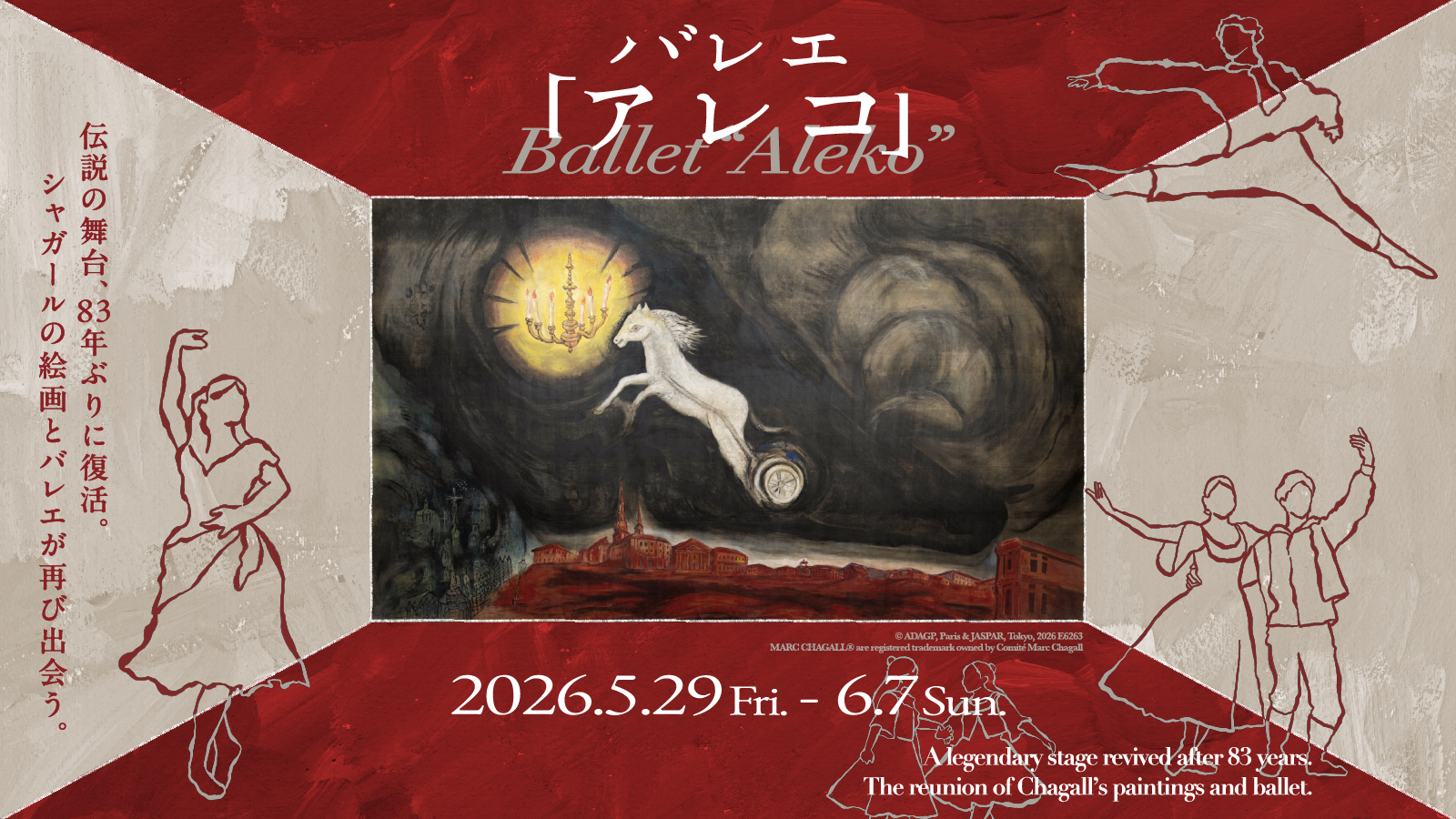
This time around, the ballet “Aleko” is being staged at the Box 1000 Theatre from May 29 to June 7, 2026.
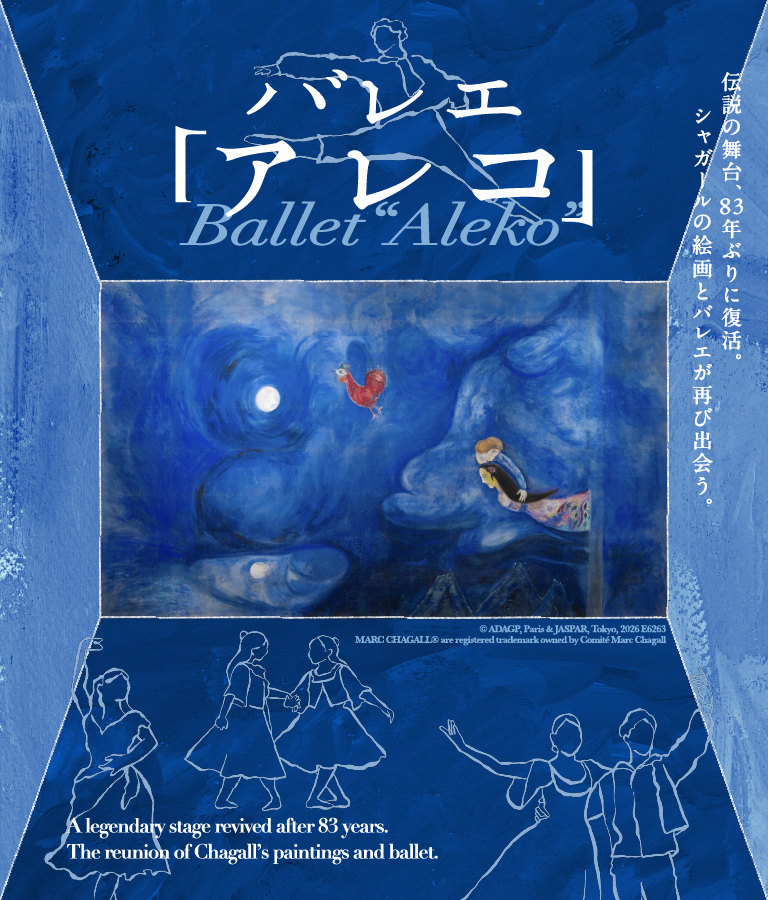
The work is famously performed using four large, 9×15-meter stage-set paintings conceived in the United States by the Russia-born Jewish artist Marc Chagall (1887–1985), who took refuge there due to World War II and was later active for many years in the south of France before his death there in 1985.
First staged in Mexico City in 1942, this ballet created by Chagall and the Russian-born choreographer and ballet dancer Léonide Massine was inspired by “The Gypsies”, a poem by the Russian literary giant Alexander Pushkin, with music — titled “Trio in A Minor” — by Peter Ilyitch Tchaikovsky.
In November 2024, directed and choreographed by Naoya Homan — who is also responsible for its choreography and direction at MoN Takanawa — “Aleko” was staged to audience and critical acclaim at the Aomori Museum of Art, which houses Chagall’s backdrop paintings.
On that occasion, the performance took place in the museum in front of those four original artworks. This time, however, the entire one-act piece is being projected onto the large LED screen featured in Box 1000, utilising cutting-edge technology from Canon, a company with extensive experience in the digital archiving of artworks.
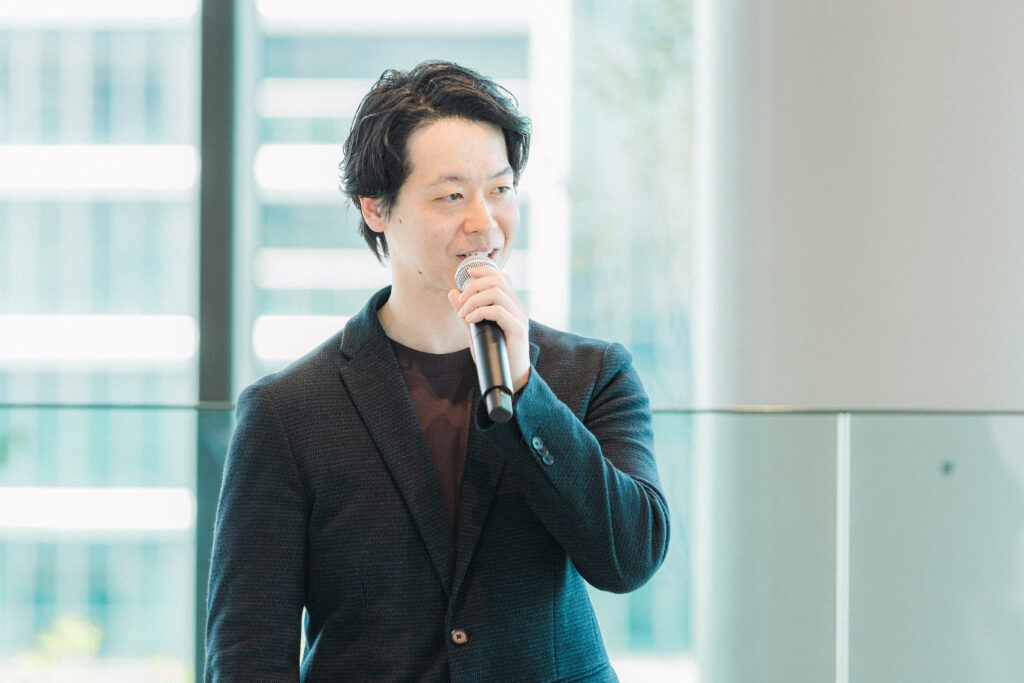
Naoya Homan
Commenting on the presence of those four iconic images, Homan said:
“At the premiere, because we were dancing in the space in front of the actual paintings on display at the art museum, there were no blackouts [like in a theatre] and our options were limited. That said, the space with the paintings was wonderful in its own right.
“This time, by recreating the setting through LED images, the colours and lighting have changed, and I suspect we may be closer to the colours of the originally envisioned ballet. In that sense, I hope it will also feel fresh to those viewing the paintings in Aomori”.
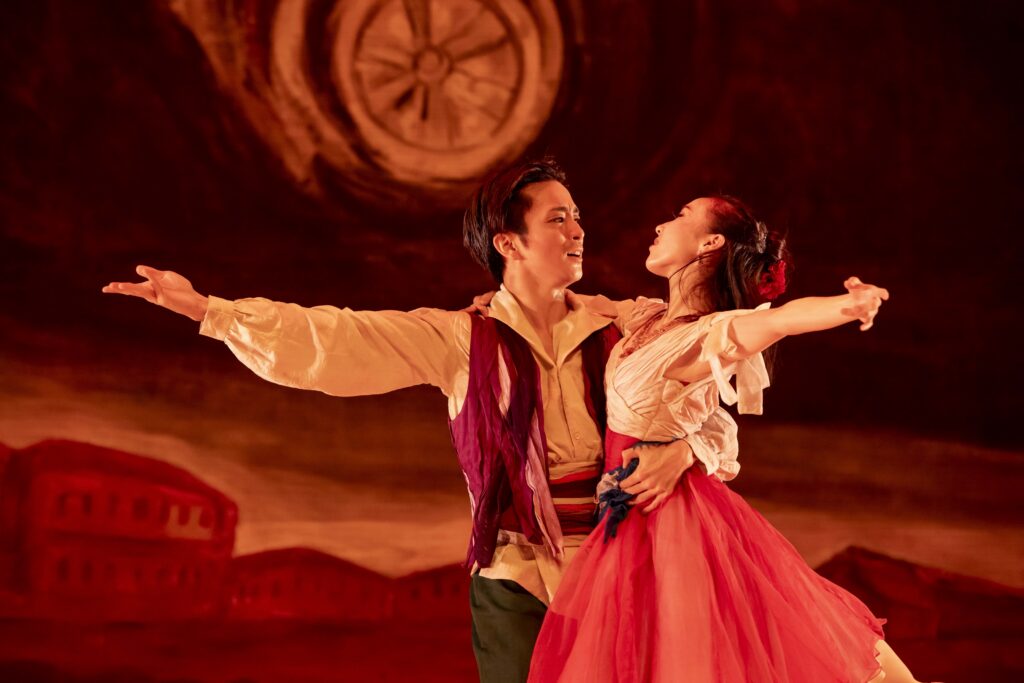
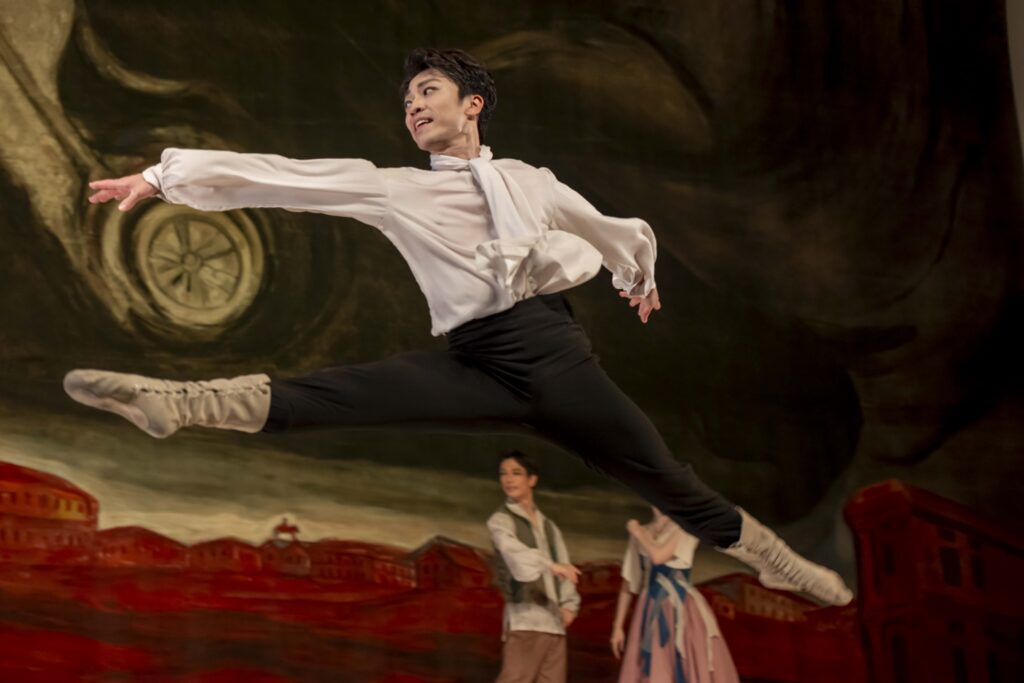
As for the direction, Tchaikovsky’s music is again being used, and the running time is unchanged. With the stage now larger, though, the production has been restructured to include more characters.
Homan, who returned to Japan in 2025 after spending nine months in Berlin courtesy of the Agency for Cultural Affairs’ Overseas Training Programme for Emerging Artists, observed the audiences of men and women of all ages discussing their impressions after each performance there.
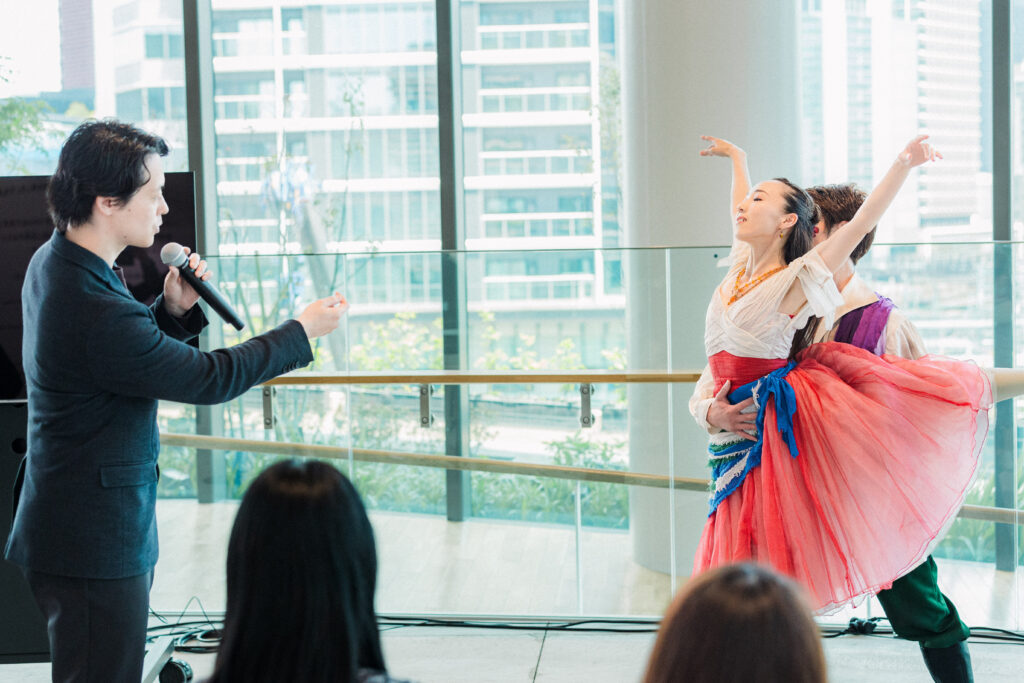
Lー>R Naoya Homan, Ayano Teshigahara, Yuta Arai
To further stimulate the audience’s thinking, he explained that for this production of “Aleko” he has paid particular attention as the director to the characterisation of each role, especially aiming for a work that encourages reflection among those who attend.
This time, it has also been double-casted for the two central roles of Aleko and his lover, Zemphira, between Koya Okawa (who also danced Aleko in Aomori) and Ayano Teshigahara (Zemphira). In separate shows, that Japanese pair share the limelight with the guest artists Ukrainian-born Alexandr Trusch, a guest principal with the Hamburg Ballet, and Kaho Yamada, a principal with the Saitama, Japan-based, NBA Ballet. Double casting is generally particularly interesting, and this one is certainly worth noting.

Koya Okawa, Alexandr Trusch, Kaho Yamada, Ayano Teshigahara
Sharing her excitement about “Aleko”, Mahoro Uchida, the Artistic Director of MoN Takanawa, appealed to the public, saying, “We hope not only ballet fans but also art lovers and admirers of Chagall will come along”, and expressed her enthusiasm for the audience to witness this example of new Japanese culture born from the cross-genre approach and collaboration across different fields that MoN aims to realise.
The ballet “Aleko”
runs May 29 (Fri.) – June 7 (Sun.), 2026, at Box 1000 in MoN Takanawa: The Museum of Narratives (in Takanawa Gateway City).
For more details, visit https://montakanawa.jp/programs/aleko/